
I once sat at my kitchen table, staring at a spreadsheet like it was a secret code. I tried to fit my paycheck into the 50/30/20 budget rule realistic framework. But my bank account just laughed at me. Rent hikes and egg prices made those percentages feel impossible.
We’ve all felt like financial failures because our lives don’t fit the old rules. Sticking to outdated math isn’t discipline; it’s just a recipe for trouble. The economy has changed, and so should your money management.
It’s time to let go of the guilt and try something new. The 55/20/25 split might finally make managing your money easier. Let’s explore why this modern approach could be the key to financial peace.
Key Takeaways
-
- The classic percentage model often ignores modern economic pressures.
- Rigid financial structures can lead to unnecessary stress and failure.
- The 55/20/25 framework offers better flexibility for today’s expenses.
- Personal finance should adapt to your life, not the other way around.
- Small adjustments to your spending categories create sustainable habits.
The Evolution of Personal Finance Standards
Let’s go back in time to when budgeting was easy. It was like a simple math problem, not a high-stakes game. Back then, financial advice was straightforward and a bit too optimistic.
It was like getting a trophy for your bank account. You were told following the math would make you rich. Spoiler alert: reality had other plans.
Historical Context of the 50 30 20 Rule
The 50/30/20 rule came from Elizabeth Warren’s book, All Your Worth: The Ultimate Lifetime Money Plan. It was simple: spend 50% on needs, 30% on wants, and 20% on savings or debt.
At first, it seemed like a breath of fresh air. It gave a clear plan for those tired of tracking every penny.
“The goal is to keep your life simple and your financial future secure by balancing your spending against your income.”
Why Traditional Rules Became the Gold Standard
So, why did this rule become so popular? It offered psychological comfort in a chaotic world. People loved a system that promised order, and this one was easy to remember.
The traditional model was rigid, acting as a spending guardrail. It became the gold standard because it was:
- Easy to explain: No economics degree needed.
- Universally applicable: Claimed to work for everyone.
- Empowering: Made people feel in control of their money.
But, looking back, its simplicity was a trap. It worked for a generation but leaves today’s earners feeling like failures. The math doesn’t add up anymore.
Why the 50 30 20 Budget Rule Realistic Approach Is No Longer Viable
Trying to fit your life into the 50/30/20 budget is like trying to squeeze a king-sized mattress into a compact car. It’s a good idea, but it just doesn’t work with today’s money. Finding a 50-30-20 budget rule realistic in today’s world is a job nobody wants.
The Disconnect Between Wages and Living Costs
Today, living costs are going up faster than ever. Your paycheck might have gone up a bit, but things like eggs, rent, and electricity are much more expensive. It’s not just in your head; the gap between what we earn and what we need is huge.
When your income doesn’t grow, but living costs do, the old budget rules don’t work. You’re not failing at budgeting; you’re fighting against stagnant wages and high prices. Expecting the50-30-200 budget rule to work is like expecting a paper umbrella to stop a hurricane.
Why Fixed Expenses Now Exceed 50 Percent
Fixed expenses, like rent or mortgage, are taking up too much of our income. Add in utilities, insurance, and internet, and you’re over 50 percent. It’s a big problem.
Trying to keep essential costs at half of your income is a recipe for unnecessary stress. When you have to choose between heat or savings, the system has failed. It’s time to stop blaming yourself for essential survival costs that have grown beyond old budget rules.
The Impact of Inflation on Essential Spending
If your bank account feels tight, blame inflation. It’s like an unwanted guest that keeps taking more and more. Honestly, it’s exhausting.
Everyone is feeling the squeeze as living costs rise. Your money seems to disappear before you can even use it.
Rising Costs of Utilities and Groceries
Have you checked your grocery bill lately? It’s like buying eggs and bread costs a fortune.
Utility bills are also skyrocketing. Keeping your home warm and lit is now a luxury experience.
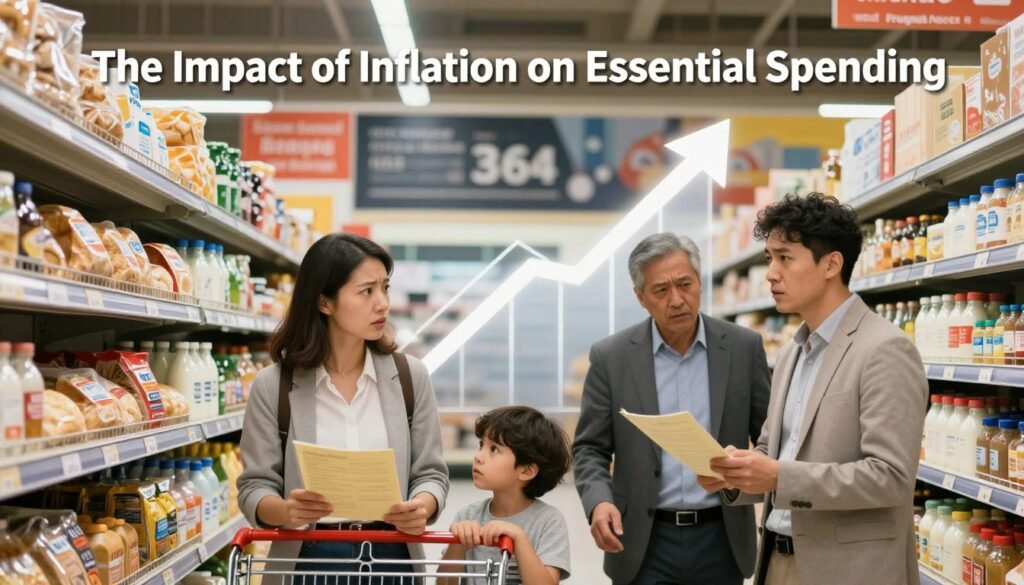
Every trip to the store means higher prices. It’s a constant fight to afford groceries without spending your whole paycheck.
The Shrinking Margin for Discretionary Income
With rising costs, there’s little left for fun. Things like lattes and movie nights are now luxuries.
Fixed expenses leave you with almost no extra money. It’s like trying to fit a big mattress in a small space; something has to give.
Saying “no” to social events is common to save money. It is a tough reality to face, but doing so is the first step toward financial control.
Analyzing the 55 20 25 Alternative Framework
Feeling like your bank account is playing hide-and-seek? You’re not alone. We’ve all tried to fit our modern lives into old budget boxes. It’s time for a more realistic alternative.
The 55/20/25 framework is not a quick fix to wealth. But it’s a much-needed reality check for your money flow. It helps break the cycle of drowning in bills.
Breaking Down the New Percentage Split
The math is simple, even if you hated algebra. You’ll split your income into 55 percent for needs, 20 percent for goals, and 25 percent for wants.
This is a strategic reallocation of your money. It gives your needs more room, since rent, groceries, and utilities are now more expensive. This change helps you pay bills without stress.
Why the 5 Percent Shift Matters for Stability
Is a 5 percent difference really important? In finance, it’s the difference between sanity and stress. It’s the margin that keeps you from using savings for unexpected expenses.
This change is a massive win for your financial stability. It’s a realistic approach that acknowledges today’s economy. It’s a path that keeps you afloat while still letting you enjoy life.
Budgeting in High Cost of Living Area Challenges
Trying to save money in a trendy zip code is tough. Your paycheck seems okay until you see how much goes to city living costs. Budgeting in a high-cost-of-living area is like an extreme sport nobody wanted, but we’re all in it every month.
Navigating Rent Burdens in Major US Cities
If your rent check is huge, you’re not alone. In places like New York, San Francisco, or Seattle, spending 30% of your income on rent is a joke. Most of us spend closer to 50%, leaving little for other things.
To make ends meet, you need to get creative. This might mean finding a roommate or moving a bit further from the subway. Every dollar matters in this game of survival.
“The rent is too damn high, and the coffee is too damn expensive, but at least the city lights are pretty.”
Strategies for Managing Transportation Costs
After paying rent, you still need to get to work without breaking the bank. Relying on Uber or Lyft for every trip is a budget killer that can destroy your financial goals fast.
Public transit is your best friend, even if it smells bad. If you must own a car, think about the total cost, including parking fees. Budgeting in high-cost-of-living areas means being tough on daily expenses.
| Expense Category | High Cost City | Average City | Savings Potential |
|---|---|---|---|
| Monthly Rent | $2,800 | $1,400 | High |
| Transportation | $350 | $150 | Medium |
| Groceries | $600 | $400 | Low |
| Utilities | $250 | $180 | Low |
Tracking these costs helps you find where your money is going. It’s not about being miserable. It’s about being strategic so you can enjoy the city you’re paying so much for.
How to Split Your Income for Modern Economic Realities
Figuring out how to split your income is like solving a Rubik’s cube while riding a unicycle. You want to live well, but rent, groceries, and forgotten subscriptions get in the way.
It’s time to stop watching your money disappear. By managing your finances, you can make your money work for you, not the other way around.

Prioritizing Needs Over Wants
The biggest challenge in how to split your income is deciding between needs and wants. We all love treats like fancy lattes or online shopping, but they can hurt your budget.
See your spending as necessary. If it’s not for basics like a home or food, it’s a want. Wants should come last after your needs are met.
Allocating Funds for Emergency Preparedness
Life can surprise you with unexpected expenses, like a flat tire or dental bill. Without savings, these can become big financial problems.
Make your emergency fund a must-pay bill. Even a small amount saved regularly can protect you from financial disaster.
| Category | Priority Level | Action Required |
|---|---|---|
| Essential Needs | High | Automate payments |
| Emergency Fund | High | Set aside 5-10% |
| Discretionary Wants | Low | Use remaining cash |
By following this plan, you learn how to split your income without feeling punished. It’s about finding balance, being disciplined, and focusing on long-term goals.
The Shift from Savings to Debt Management
Debt is like a houseguest who won’t leave and eats all your snacks. We’ve been told to save first, but our credit card balances have other plans. It’s time to face the fact that high-interest debt won’t just disappear.
If your interest rates are higher than your motivation to go to the gym, you’re losing. You need a strategic pivot to stop the bleeding before you can build wealth.
Addressing High-Interest Debt in the New Model
When facing high-interest debt, “just save more” feels like a cruel joke. You can’t outrun a 25% interest rate, no matter how many lattes you skip. Aggressive repayment is the only way to get your financial freedom back.
Begin by listing all your debts, sorted by interest rate, not balance. This is the “avalanche method,” the most efficient way to fight interest. By focusing on the highest-interest debt first, you save a lot in the long run.
“The most important thing to remember is that debt is not a character flaw; it is a math problem that you can solve with a plan.”
Balancing Debt Repayment with Future Savings
It’s tempting to stop saving to pay off debt, but that’s a trap. Without savings, you’re just one flat tire away from needing credit again. You need a sustainable middle ground that keeps your future self from hating your current self.
Try to keep a small emergency fund while you tackle your debt. Even a few hundred dollars can help. Once your high-interest debt is under control, you can put extra money into savings.
Remember, this is a marathon, not a sprint. You don’t need to be perfect; just be consistent. Keep your eyes on the prize, and that annoying houseguest will finally leave.
Realistic Monthly Budget Templates for Urban Dwellers
Trying to fit urban life into a standard spreadsheet is like trying to fit a king-sized mattress into a studio apartment. Most realistic monthly budget templates you find online assume you live in a vacuum where rent is affordable, and avocados are somehow free. In reality, living in a major city means paying a premium for everything from subway fares to that sad, wilted lettuce at the corner bodega.
Customizing Templates for Variable Income
If your paycheck looks more like a rollercoaster than a steady stream, you need a flexible approach. Fixed-income models don’t work when your earnings fluctuate based on freelance gigs or commission cycles. Instead of a rigid monthly plan, try building a “buffer fund” during your high-earning months to cover the lean times.
When you use realistic monthly budget templates, prioritize your absolute essentials first. Once the rent and utilities are covered, treat your discretionary spending as a sliding scale. If you have a slow month, your “fun money” should be the first thing to shrink, not your savings contributions.
Tracking Expenses in Expensive Markets
Tracking every single latte or subway swipe in a high-cost city can feel like a full-time job. However, ignoring the small stuff is exactly how your bank account ends up in the red by the 20th of the month. Use automated apps to categorize your spending, but don’t be afraid to audit your habits manually once a week.
Living in an expensive market requires you to be ruthlessly honest about your “hidden” costs. That $15 delivery fee for a sandwich you were too tired to cook? That is a budget-killer. Keep your tracking simple, stay consistent, and remember that your goal is progress, not perfection.
| Expense Category | Standard Budget | Urban Reality | Adjustment Strategy |
|---|---|---|---|
| Housing | 30% | 45-50% | Prioritize location over space |
| Groceries | 15% | 20% | Bulk buy at discount stores |
| Transportation | 10% | 15% | Use public transit passes |
| Discretionary | 20% | 10% | Limit dining out to weekends |
Frugal Budget Breakdown Strategies for 2024
Saving money in 2024 is not about cutting back too much. It’s about being smarter with your spending. Using realistic monthly budget templates helps you see where your money goes each month.
Cutting Costs Without Sacrificing Quality of Life
Being frugal means being smart, not cheap. You can still enjoy your favorite latte or a night out. It’s about spending on what truly makes you happy.
Try switching to generic brands instead of name brands. Often, the only difference is the price. Making small changes can lead to big savings without feeling like you’re missing out.
Identifying Hidden Expenses in Daily Routines
There are hidden expenses in our daily lives. These small costs can add up quickly. A good frugal budget breakdown helps you find these hidden costs.
Review your subscriptions and convenience fees. These can add up fast. Cutting these small costs can help you take back control of your money.
| Expense Category | Hidden Cost | Smart Alternative |
|---|---|---|
| Morning Coffee | $6.00 Daily | Home Brewed ($0.50) |
| Food Delivery | $15.00 Fees | Meal Prep ($0.00) |
| Streaming Services | $40.00 Monthly | Rotational Subscriptions ($10.00) |
| Gym Membership | $50.00 Monthly | Outdoor Running/Bodyweight ($0.00) |
Expert Reactions to Changing Budgeting Paradigms
Ever felt like you’re failing for not meeting those perfect budget splits? You’re not alone. Even top financial experts are now saying the old rules are outdated. They’re finding it tough to make the 50/30/20 budget rule work in today’s world.
Financial Advisor Perspectives on Rule Flexibility
Many financial advisors are changing their tune. They’re realizing that forcing your life into strict budget boxes is unrealistic. Now, they’re pushing for dynamic budgeting.
Your budget should change with your life. If you have unexpected expenses, it’s okay to adjust your savings. The goal is to keep you from getting overwhelmed, not to keep your budget perfect.
The Move Toward Behavioral Budgeting
The industry is moving towards behavioral budgeting. This approach focuses on your money habits and how your brain works. It’s about creating a system that fits your unique needs.
Forget about strict budget rules. Focus on what keeps you from spending too much. Use cash envelopes or automate your savings to stay on track.
| Feature | Traditional 50/30/20 | Modern Flexible Model |
|---|---|---|
| Flexibility | Low (Rigid percentages) | High (Adjustable based on life) |
| Focus | Mathematical perfection | Behavioral sustainability |
| Goal | Strict adherence | Long-term consistency |
| Complexity | Simple but unrealistic | Nuanced but practical |
The Role of Housing Costs in Budget Failure
Trying to keep your housing costs at 30 percent of your income is tough today. It’s like searching for a unicorn in a parking lot. In high-cost-of-living areas, this goal often feels like a joke.
For years, we’ve been told spending over a third of our paycheck on rent is bad. This makes us feel guilty. But the math doesn’t match today’s economy.
The 30 Percent Housing Rule Myth
The 30 percent rule was created in a different time, before the internet changed everything. Back then, wages kept up with housing costs. Now, that’s not true for many city dwellers.
Believing in this myth makes us feel like we’re failing at money. But it’s not your fault. The housing market has changed a lot. It’s time to stop blaming yourself for today’s rent prices.
Negotiating Living Expenses in Competitive Markets
Since changing the housing market is hard, you need to get creative. Budgeting in high-cost-of-living areas means treating living expenses like a business deal. A bit of courage can go a long way.
Here are some ways to handle high housing costs:
- Ask for lease incentives: Landlords might offer a free month of rent instead of lowering the price.
- Negotiate renewal terms: If you’re a good tenant, remind your landlord that finding a new one is costly and risky.
- Consider unconventional living: Look into roommate situations or subletting to save money, even if it’s not your first choice.
- Audit your utilities: Call your providers to see if you can get lower rates or discounts.
Remember, your goal is to survive and thrive, not to hit an outdated percentage. By accepting today’s reality, you can break the cycle of guilt. Start building a plan that fits your life.
Adjusting Discretionary Spending in a Tight Economy
When the economy goes down, what we call a “want” changes. We’ve all seen our bank statements and thought, “What happened?” It’s time to see that streaming services and daily lattes aren’t necessities.
To get through tough times, you need a frugal budget breakdown that works. It’s not about living in poverty; it’s about being smart with your money.
Redefining Wants in a High-Inflation Environment
In times when eggs cost too much, you must be strict with your spending. A “want” is anything not essential for living. If you’re barely scraping by, that third subscription box has to go.
Here are some tips to improve your spending:
- Audit your recurring charges: Cancel anything unused in thirty days.
- The 48-hour rule: Wait two days before buying non-essentials to avoid impulse buys.
- Switch to generic brands: You won’t notice the difference, but your wallet will.
The Psychology of Spending and Saving
Why do we buy things we don’t need? Often, it’s emotional retail therapy to ease stress. We seek that quick dopamine rush, only to regret it soon after.
Knowing your spending triggers is key to your frugal budget breakdown. When tempted to spend, ask if it’s for a real need or just a mood boost. By focusing on financial freedom, you control your spending.
Remember, saving isn’t about giving up; it’s about prioritizing your future self. Keep your goals in mind, and saying “no” to unnecessary spending becomes simpler.
Long-term Financial Planning Amidst Volatility
Thinking about retirement when your bank account is tight feels like a joke. The cost of everyday items, like eggs, seems too high. Yet you’re expected to save for a much older future self.
It’s easy to feel stuck, like a hamster on a wheel. But, even with tight finances, you can still make progress. A frugal budget breakdown can help you find hidden money leaks.
Retirement Contributions in the 55 20 25 Model
The 55/20/25 model has a special 20 percent for debt and savings. If you’re deep in debt, focus on paying it off first.
After clearing debt, turn your attention to retirement savings. Even small contributions can add up over time. Consistency is key, not huge amounts.
- Automate your contributions: Set it and forget it so you don’t spend the money.
- Capture the match: If your employer offers a match, that is free money you cannot afford to leave on the table.
- Increase by 1%: Every time you get a raise, bump your contribution by just one percent.
Building Wealth When Margins Are Thin
Building wealth on a tight budget requires careful spending. A frugal budget breakdown helps you spot unnecessary spending. Look at your habits closely.
The table below shows how small changes can add up over time. Even when starting small, consistent efforts can lead to big growth.
| Strategy | Monthly Impact | Long-term Benefit |
|---|---|---|
| Cutting Subscriptions | $50 | $6,000+ in 5 years |
| Meal Prepping | $150 | $18,000+ in 5 years |
| High-Yield Savings | $50 | $6,000+ in 5 years |
The market may seem unpredictable, but you’re in it for the long run. By sticking to your frugal budget breakdown, you’re building a safety net. It’s not just about saving money; it’s about securing your future peace of mind.
Tools and Technologies for Modern Budget Tracking
Tracking your finances with a pen and paper is outdated. It’s like using a carrier pigeon to send emails. If you’re using a shoebox for receipts, it’s time to change. Learn how to split your income with modern tools that help you, not hinder you.
Leveraging Apps for Real-Time Financial Monitoring
Modern apps make budgeting fun, almost like a game. Apps like YNAB or Monarch Money connect with your bank accounts. They give you a clear view of your spending in real-time.
These apps automatically categorize your spending. They alert you when you’re close to your spending limit. It’s like having a tiny accountant in your pocket.
“The secret to wealth is not just earning more, but automating the process so that your money works for you while you sleep.”
Automating Savings to Ensure Consistency
Counting on willpower to save is a recipe for failure. Successful people automate their savings. This way, they save before they even think about spending.
Automating your finances means paying your future self first. It’s the best way to manage your income without stress. Once the money is set aside, you adjust your spending accordingly.
| Tool Name | Best For | Automation Level | Cost |
|---|---|---|---|
| YNAB | Zero-based budgeting | High | Subscription |
| Monarch | Comprehensive tracking | High | Subscription |
| Empower | Investment focus | Medium | Free |
| Goodbudget | Envelope method | Low | Freemium |
Using these tools saves you time and stress. You deserve a smart financial system. Let the software handle the numbers, so that you can enjoy your life.
Conclusion
We’ve explored the complex world of finance together. You now understand that strict rules don’t always work in real life.
Budgeting in high-cost areas is tough. It’s like trying to fold a fitted sheet. It’s frustrating and rarely perfect at first. You don’t need to be a math expert to make progress.
The 55/20/25 rule is a flexible way to manage your money. It lets you breathe while you work on your financial goals. Think of it as a long-term effort, not a quick race.
You have the tools and knowledge to handle your money well. Keep an eye on your spending with apps like YNAB or Mint. Adjust your spending when life gets unexpected.
Your financial path is yours alone. Stop chasing perfection and focus on being consistent. You have everything you need to build a stable future and still enjoy your daily coffee.
FAQ
Is the 50-30-20 budget rule realistic for someone living in a major city today?
What is the biggest challenge when budgeting in high-cost-of-living area environments?
How should I prioritize my spending when learning how to split my income?
Where can I find realistic monthly budget templates that actually work for urban life?
Why does the 55/20/25 model prioritize debt over traditional savings?
What does a modern frugal budget breakdown look like without living on ramen?
Is it okay to ignore the 30% housing rule if I live in an expensive city?