
Tired of watching your monthly budget fall apart by week two? You’re not alone. While monthly budgeting is the traditional approach, a weekly budget might be the game-changer your finances need. Breaking your finances into smaller, weekly chunks makes overspending harder and course correction easier. This practical guide will walk you through creating a weekly budget that not only works but actually sticks around longer than your last gym membership.
Why Weekly Budgets Work Better Than Monthly Plans
Monthly budgets sound great in theory, but they often fall apart in practice. When you have a dining-out budget of $800 for the month, what’s another $10 splurge? But with a $200 weekly limit, that extra $10 actually matters.
The Problem with Monthly Budgets
Monthly budgets give you too much wiggle room. Go over budget in week one, and you’ll likely throw in the towel for the entire month. It’s like eating one cookie and deciding to finish the whole batch—the “might as well” mindset takes over.
Plus, monthly budgets make it harder to course-correct when you overspend. By the time you realize you’re off track, it’s often too late to make meaningful adjustments.
The Weekly Budget Advantage
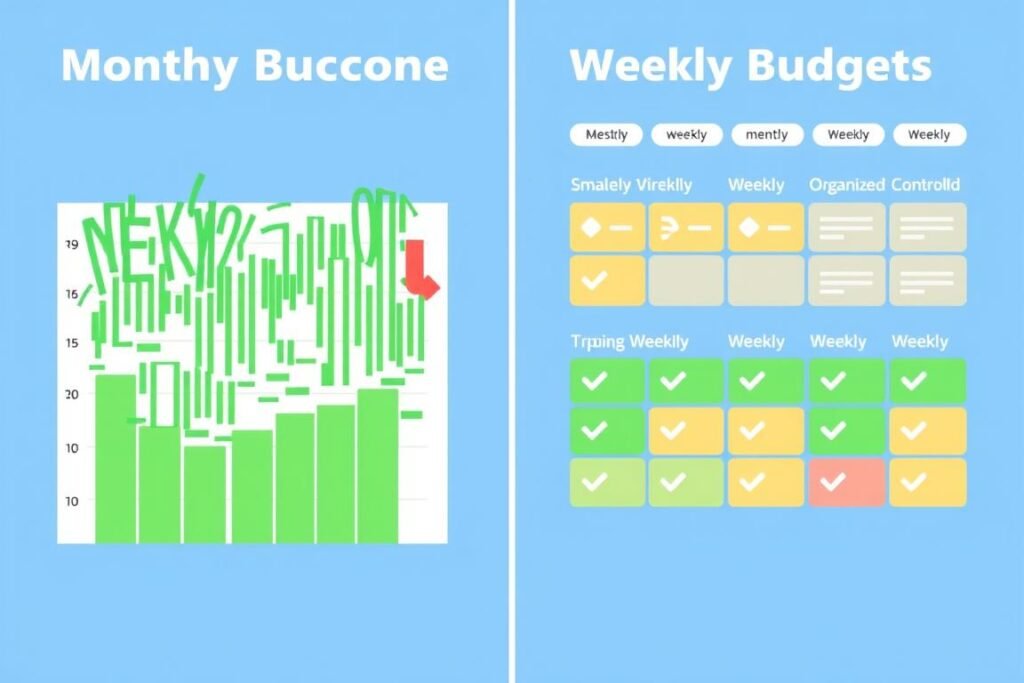
Weekly budgets keep your financial goals front of mind. Each week offers a fresh start, allowing you to adjust and get back on track even if one week doesn’t go as planned.
With weekly check-ins, you’ll catch overspending faster and make immediate adjustments. This frequent feedback loop creates better spending habits over time and gives you more control over your money.
Step-by-Step Guide to Creating Your Weekly Budget
Creating a weekly budget doesn’t have to be complicated. Follow these five simple steps to get started with a system that works for your lifestyle.
Step 1: Calculate Your Weekly Income
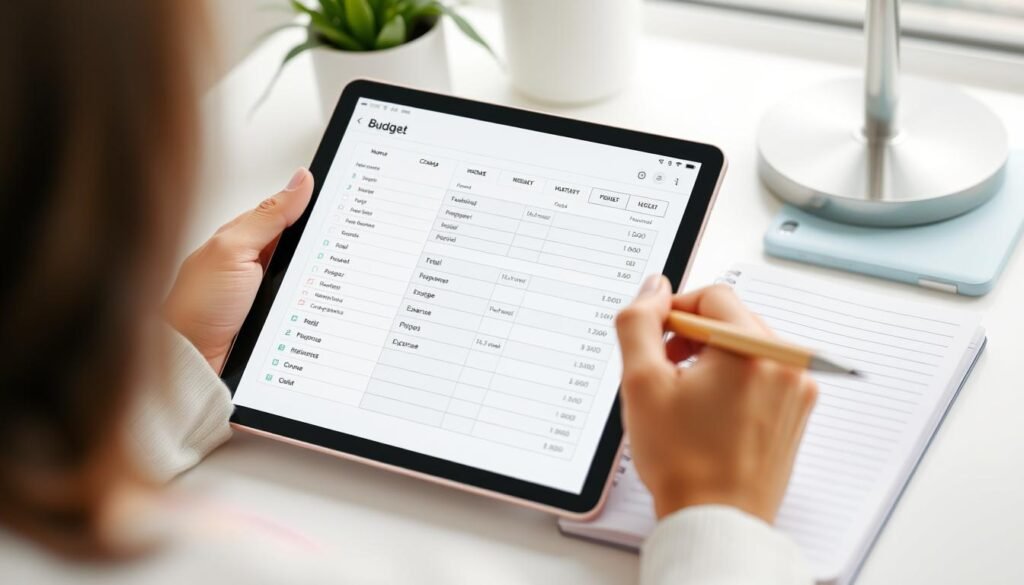
Start by determining how much money you have coming in each week. If you don’t get paid weekly, you’ll need to convert your income to a weekly amount:
| Pay Frequency | Calculation | Example |
| Weekly | Use as is | $800 weekly = $800 per week |
| Bi-weekly | Paycheck ÷ 2 | $1,600 bi-weekly = $800 per week |
| Semi-monthly | (Paycheck × 24) ÷ 52 | $1,730 semi-monthly = $800 per week |
| Monthly | (Paycheck × 12) ÷ 52 | $3,467 monthly = $800 per week |
For variable income (commissions, freelance work, etc.), calculate your average weekly income based on the past three months. Add a buffer for weeks when income might be lower.
Step 2: Categorize Your Expenses
Divide your expenses into two main categories: fixed and variable. This separation helps you see where you have control over your spending.
Fixed Expenses
- Rent or mortgage
- Car payments
- Insurance premiums
- Loan payments
- Subscription services
- Childcare costs
Variable Expenses
- Groceries
- Dining out
- Entertainment
- Shopping
- Gas/transportation
- Personal care
For fixed expenses that occur monthly, convert them to weekly amounts. For example, if your rent is $1,200 per month: ($1,200 × 12) ÷ 52 = $277 per week. Remember to account for bills that don’t occur every month, like quarterly insurance payments.

Step 3: Apply the 50/30/20 Rule (Weekly Version)
The 50/30/20 rule is a popular budgeting framework that can be adapted for weekly use. Here’s how to break it down:
50% – Needs
Essential expenses you can’t live without: housing, utilities, groceries, transportation, minimum debt payments, and insurance.
Weekly calculation: Weekly income × 0.5
30% – Wants
Non-essential expenses that improve your life: dining out, entertainment, hobbies, subscriptions, and shopping.
Weekly calculation: Weekly income × 0.3
20% – Savings
Future financial security: emergency fund, retirement contributions, investments, and debt payments beyond minimums.
Weekly calculation: Weekly income × 0.2
For example, if your weekly income is $800:
- Needs: $800 × 0.5 = $400 per week
- Wants: $800 × 0.3 = $240 per week
- Savings: $800 × 0.2 = $160 per week
Pro Tip: If you’re just starting out, don’t try to change your spending habits drastically. Begin by tracking your current spending for 2-3 weeks, then aim to reduce problem categories by no more than 10% initially.
Step 4: Create Your Weekly Spending Plan
Now it’s time to allocate specific amounts to each spending category. Focus on the variable expenses where you have more control. Here’s a sample weekly budget for someone with an $800 weekly income:
| Category | Amount | Notes |
| Housing | $277 | Monthly rent converted to weekly |
| Utilities | $50 | Electric, water, internet, phone |
| Groceries | $80 | Basic food and household items |
| Transportation | $60 | Car payment, gas, maintenance |
| Dining Out | $50 | Limit of 2-3 meals per week |
| Entertainment | $40 | Streaming, movies, activities |
| Shopping | $30 | Clothing, home goods, etc. |
| Personal Care | $20 | Haircuts, toiletries, etc. |
| Savings | $160 | Emergency fund, retirement, goals |
| Buffer | $33 | For unexpected expenses |
Step 5: Schedule Your Weekly Money Check-In
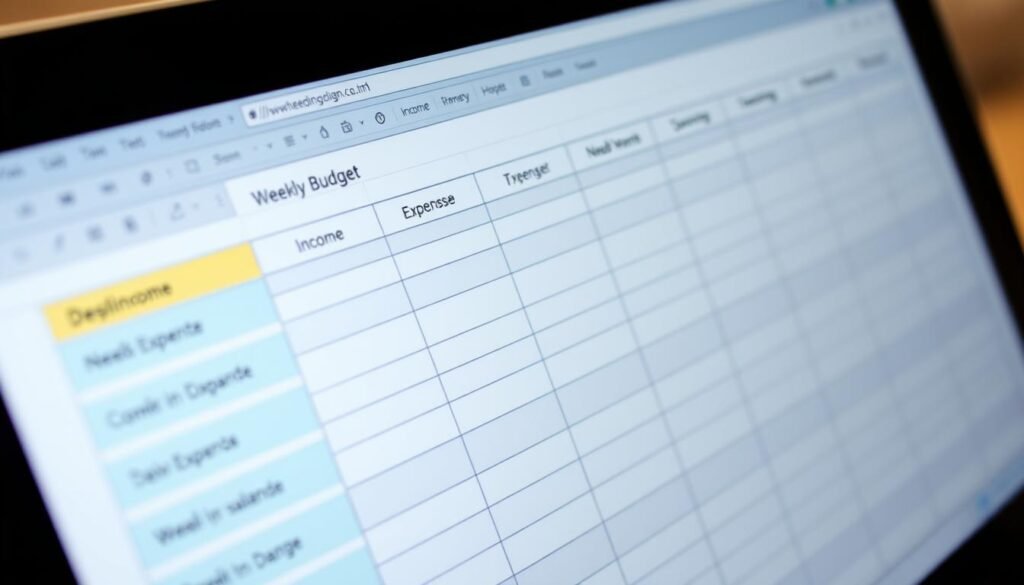
The key to making your weekly budget stick is consistency. Set aside 15-20 minutes each week to review your spending and plan for the week ahead.
What to Do During Your Check-In:
- Review last week’s spending in each category
- Identify any overspending and understand why it happened
- Adjust this week’s budget if needed
- Plan for upcoming expenses or events
- Transfer money to savings if you came in under budget
Best Time for Your Check-In:
Choose a consistent day and time each week when you’re relaxed and can focus. Many people find Sunday evenings or Monday mornings work well, as they align with the start of a new week.
Make it enjoyable by brewing your favorite coffee or tea and playing some background music. The more pleasant the experience, the more likely you’ll stick with it.
Weekly Budget Template
Having a structured template makes weekly budgeting much easier. Here’s a simple HTML table you can use as a starting point for your own weekly budget:
| Weekly Budget Template | |||
|---|---|---|---|
| Category | Budgeted | Actual | Difference |
| Income | |||
| Primary Job | $ | $ | $ |
| Side Hustle | $ | $ | $ |
| Other Income | $ | $ | $ |
| Total Income | $ | $ | $ |
| Needs (50%) | |||
| Housing | $ | $ | $ |
| Utilities | $ | $ | $ |
| Groceries | $ | $ | $ |
| Transportation | $ | $ | $ |
| Insurance | $ | $ | $ |
| Minimum Debt Payments | $ | $ | $ |
| Total Needs | $ | $ | $ |
| Wants (30%) | |||
| Dining Out | $ | $ | $ |
| Entertainment | $ | $ | $ |
| Shopping | $ | $ | $ |
| Personal Care | $ | $ | $ |
| Total Wants | $ | $ | $ |
| Savings (20%) | |||
| Emergency Fund | $ | $ | $ |
| Retirement | $ | $ | $ |
| Debt Payoff (beyond minimum) | $ | $ | $ |
| Savings Goals | $ | $ | $ |
| Total Savings | $ | $ | $ |
| Weekly Surplus/Deficit | $ | $ | $ |
Get Your Free Weekly Budget Template
Skip the setup and start budgeting today with our ready-to-use weekly budget template. Enter your email below to receive your free copy instantly.
Tips for Sticking to Your Weekly Budget
Creating a budget is one thing; sticking to it is another challenge entirely. Here are proven strategies to help you maintain your weekly budget long-term:

Use the Cash Envelope System for Variable Expenses
The cash envelope method is perfect for weekly budgeting. Here’s how it works:
- Create an envelope for each variable expense category (groceries, dining out, entertainment, etc.)
- At the beginning of each week, fill each envelope with the budgeted cash amount
- Only spend what’s in the envelope for each category
- When an envelope is empty, you’re done spending in that category until next week
- Roll over any leftover cash to the next week or transfer it to savings
This tangible approach makes overspending nearly impossible and creates a physical reminder of your limits. For fixed expenses that require electronic payments, set up automatic transfers on payday.
Use Apps for Real-Time Tracking
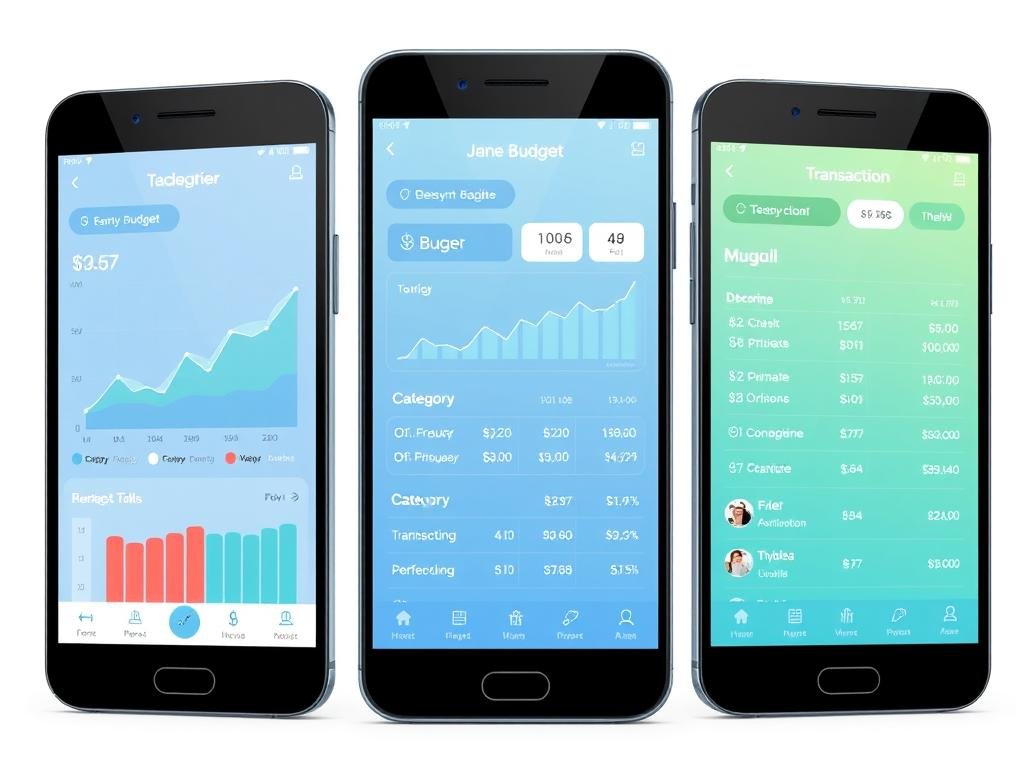
Technology can be your best ally in maintaining your weekly budget. These free apps make tracking expenses simple:
Mint
Connects to your accounts to automatically categorize transactions and track spending against your weekly budget. Offers customizable alerts when you approach category limits.
EveryDollar
Based on the zero-based budgeting method where every dollar has a job. The free version allows manual transaction entry, perfect for the cash envelope system.
Goodbudget
Digital envelope system that helps you allocate money to different spending categories. Great for couples who want to share budget information across devices.
Establish a Weekly Check-In Ritual
Consistency is key to budget success. Create a weekly ritual that you’ll actually look forward to:

Create the Right Environment
- Choose a quiet, comfortable space
- Eliminate distractions (turn off notifications)
- Have a favorite beverage on hand
- Play relaxing music if it helps you focus
- Keep all tools within reach (apps, calculator, notes)
Follow a Simple Routine
- Review last week’s spending (what went well/wrong?)
- Update your tracking system with any missed transactions
- Plan for the upcoming week’s special expenses
- Adjust category amounts if needed
- Celebrate wins (stayed under budget, reached a goal)
Accountability Tip: Find a budget buddy to check in with weekly. Share your successes and challenges with someone who has similar financial goals. This social accountability dramatically increases your chances of sticking with your budget long-term.
Troubleshooting Common Weekly Budget Challenges
Even the best-planned budgets face obstacles. Here’s how to handle common challenges:

Challenge: Irregular Income
Solution: Create a “base budget” using your minimum expected weekly income. In weeks when you earn more, allocate the extra money according to a predetermined plan: 50% to needs, 30% to savings, and 20% to wants.
Maintain a buffer account that holds 1-2 months of expenses. During high-income weeks, fill this account. During low-income weeks, draw from it to meet your base budget.
Challenge: Unexpected Expenses
Solution: Build a “weekly buffer” category into your budget (aim for 5-10% of your weekly income). This creates flexibility for small unexpected costs without derailing your entire plan.
For larger unexpected expenses, create a decision tree: Under $100? Use your weekly buffer. $100-$500? Use your emergency fund. Over $500? Adjust multiple categories temporarily or use your emergency fund based on urgency.
When You Overspend in a Category
Overspending happens to everyone. The key is how you respond:
- Don’t panic or give up. One overspent category doesn’t mean your budget has failed.
- Identify the cause. Was it a one-time splurge or a sign your budget needs adjustment?
- Make immediate adjustments. Reduce spending in other “want” categories this week to compensate.
- Plan for next week. If the expense was necessary but unexpected, adjust next week’s budget to account for it.
- Forgive yourself and move on. Budgeting is a skill that improves with practice.
Handling Bi-Weekly or Monthly Bills in a Weekly System
Don’t let irregular bill schedules disrupt your weekly budget:
Method 1: The Prorated Approach
Divide monthly bills into weekly amounts and set aside that money each week. For example, if your $200 electric bill is due on the 15th, set aside $50 each week. By the time the bill arrives, you’ll have the full amount ready.
Method 2: The Bill-Specific Account
Create a separate checking account just for bills. Each week, transfer the prorated amount for all bills to this account. Set up automatic payments from this dedicated account so bills are always paid on time.
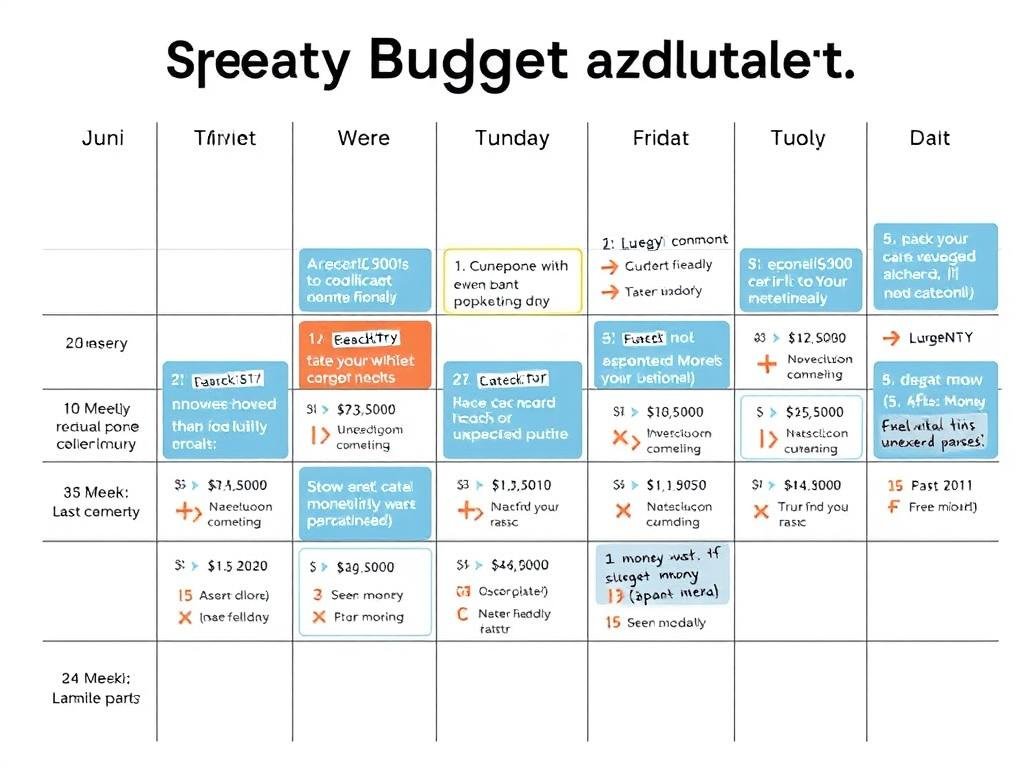
Pro Tip: Create a bill calendar that shows exactly which weeks contain major expenses. This visual reminder helps you prepare for heavier spending weeks in advance.
The 30-Day Weekly Budget Challenge
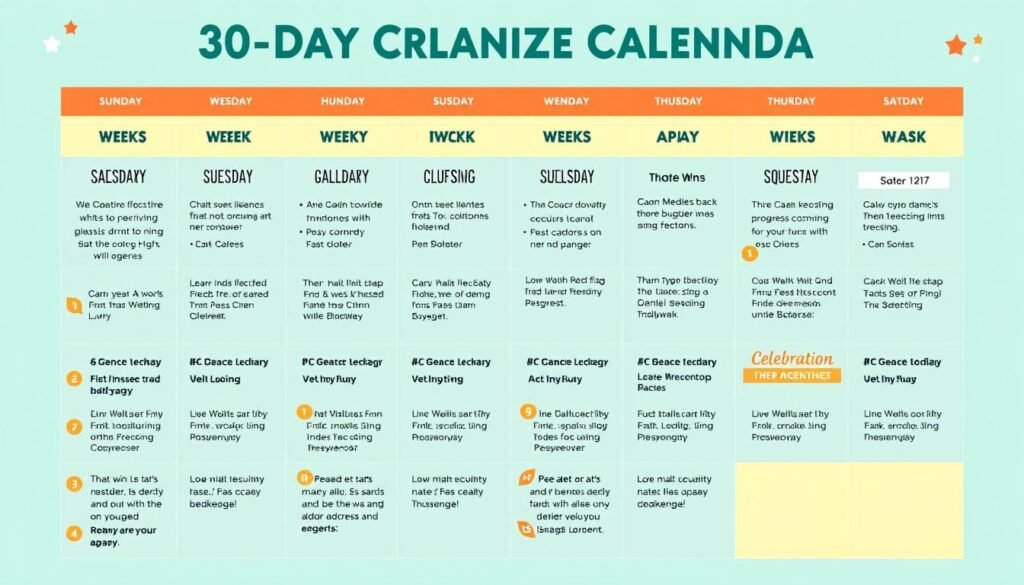
Ready to put your weekly budget to the test? Take our 30-day challenge to establish your new budgeting habit and see real results.
How the Challenge Works
For the next 30 days (roughly 4 weeks), commit to following your weekly budget system. Each week builds on the previous one, helping you develop strong financial habits.
Week 1: Setup & Awareness
- Create your weekly budget using the template
- Track every expense, no matter how small
- Identify your biggest spending triggers
- Establish your weekly check-in time
Week 2: Adjustments & Habits
- Refine category amounts based on Week 1 results
- Implement the cash envelope system for problem categories
- Try one no-spend day
- Find one expense you can reduce or eliminate
Week 3: Optimization & Growth
- Automate savings transfers on payday
- Try two no-spend days
- Find a free alternative to a regular expense
- Share your progress with an accountability partner
Week 4: Reflection & Planning
- Review your 3-week progress
- Celebrate wins (no matter how small)
- Identify ongoing challenges
- Set up your budget for the next month
- Commit to continuing your weekly system
“The budget is not just a collection of numbers, but an expression of our values and aspirations. It’s not merely about restricting spending, but about making intentional choices that align with what matters most to us.”
Your Weekly Budget Journey Starts Now
A weekly budget isn’t just about tracking dollars and cents—it’s about gaining control over your financial life. By breaking your finances into manageable weekly chunks, you create a system that’s flexible enough to adapt to real life while structured enough to keep you on track toward your goals.
Remember that budgeting is a skill that improves with practice. You won’t create the perfect budget on your first try, and that’s completely normal. Each week offers a fresh opportunity to refine your system and strengthen your financial habits.
The most important step is simply to begin. Download our template, schedule your first weekly check-in, and commit to the 30-day challenge. Your future self will thank you for the financial clarity and confidence that comes from a weekly budget that actually sticks.
Ready to Transform Your Finances?
Get your free weekly budget template and join thousands of others who have taken control of their money one week at a time.


